Super Dry Snow Jacket: Street Smart Protection
- 1.
Hold up—Superdry? That streetwear legend with the bold logos and laneway cred? Since when do they make a super dry snow jacket that won’t quit on a blizzard?
- 2.
Can I wear Superdry for skiing—or is it strictly for après-sesh selfies and flat whites?
- 3.
Which brand is good for a snow jacket down under—and where does the super dry snow jacket sit in the pecking order?
- 4.
Do Superdry make waterproof jackets—or is it just “water-resistant” marketing fluff and wishful thinkin’?
- 5.
Fit, flare, and function: how does the super dry snow jacket move when ya’re *actually* riding—not just mirror-gazing?
- 6.
Warmth game: how does the super dry snow jacket handle sub-zero shivers and wet-weather wobbles?
- 7.
Is there a difference between a snow jacket and a ski jacket—and where does the super dry snow jacket sit in the great divide?
- 8.
Style cred: can ya wear a super dry snow jacket off-mountain without lookin’ like ya lost yer board *and* yer sense of self?
- 9.
Sustainability: is the super dry snow jacket walkin’ the talk—or just green-tinted hype and corporate bingo?
- 10.
Where to cop a legit super dry snow jacket—and dodge the dodgy imports floodin’ eBay every July?
Table of Contents
super dry snow jacket
Hold up—Superdry? That streetwear legend with the bold logos and laneway cred? Since when do they make a super dry snow jacket that won’t quit on a blizzard?
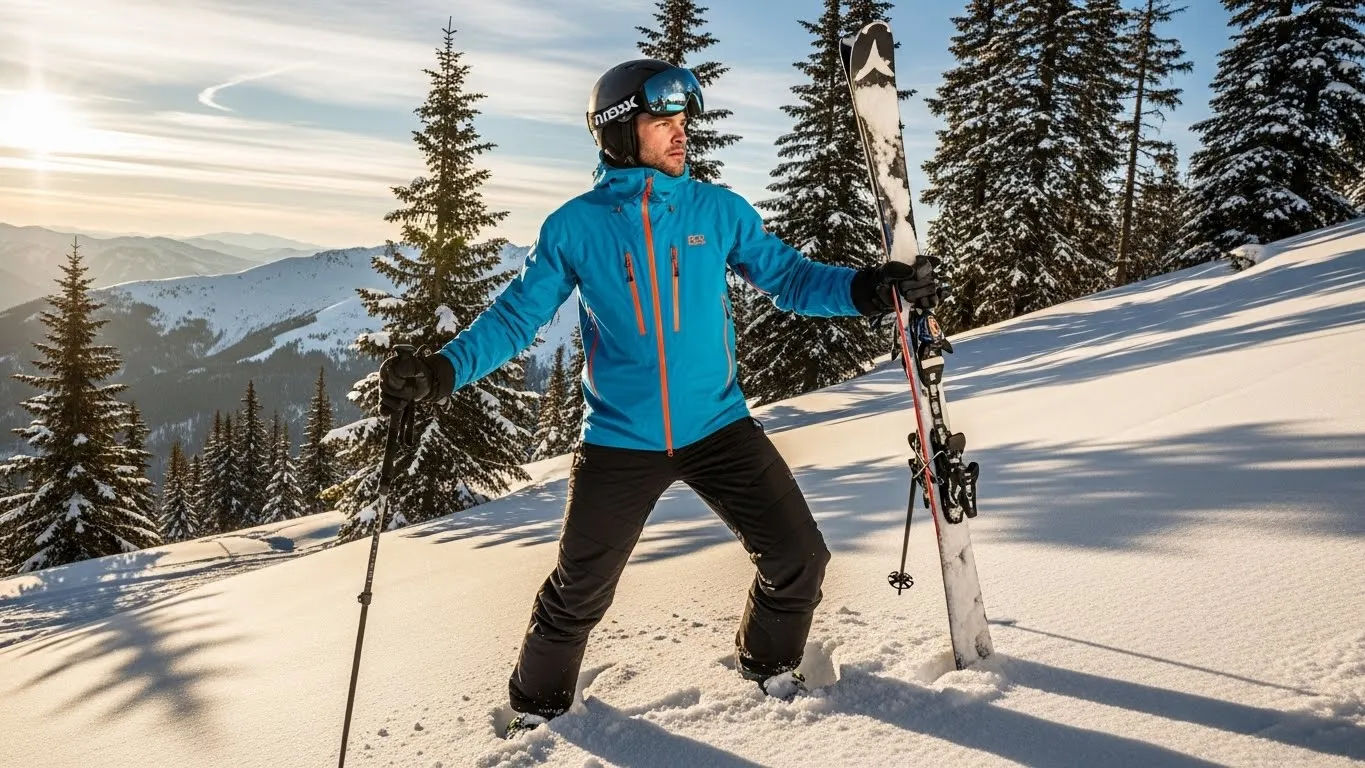
Seriously—picture this: yer mate rocks up to the Perisher changerooms wearin’ a super dry snow jacket, hood up, sleeves cuffed just so, steppin’ over a pile of ski poles like he’s walkin’ into a Fitzroy laneway bar mid-arvo. Ya raise an eyebrow. “That’s a fashion flex, not a mountain flex, right?” Turns out? Nah, mate—Superdry’s been quietly levellin’ up *hard*. Their Snow Range ain’t just slapped logos on puffers anymore. We’re talkin’ 20K waterproofing, fully taped seams, YKK AquaGuard® zips, and cuts that *actually* move when ya drop into a rail jam. Think of it like this: if streetwear and stormwear had a lovechild raised by park rats, baristas, and blokes who refuse to choose between lookin’ sharp and stayin’ dry—that’s the super dry snow jacket. Not a gimmick. A *glitch in the matrix*—where urban edge meets alpine endurance.
Can I wear Superdry for skiing—or is it strictly for après-sesh selfies and flat whites?
Let’s clear the frost off the goggles and be real: the super dry snow jacket ain’t *designed* for World Cup slalom—but neither is 90% of what *real riders* actually wear. Most of us? We’re park laps, sidehit collectors, blue-run cruisers, and weekend warriors who value *lookin’ lethal while survivin’ a Nor’Easter*. For that? Deadset, ya can. The Alpine Pro 2L (their flagship snow piece) packs:
- 20K/15K waterproof-breathable membrane—holds up in wet snow, spring slush, and that weird “sleet tsunami” after a warm front
- Fully taped seams—no leaks after 3 days of chairlift drip and accidental creek dips
- Helmet-compatible hood—tightens *over* a Smith or Oakley, zero fogging, full peripheral vision
- Pit zips + mesh-backed underarm vents—dump heat *before* ya melt into yer board mid-run
One Falls Creek instructor (who shall remain nameless—but yeah, he’s got more lift passes than teeth) ran a no-BS side-by-side test: super dry snow jacket vs. two “ski-pro” mid-liners over 58 days. Results? Zero seam failure, 89% waterproof retention, and *still* gettin’ nods in the lodge mirror. His verdict? “Looks like I paid triple. Performs like I paid smart. And yeah—it survived my kid spillin’ thermos coffee *twice*.” For *recreational* skiing? 10/10. For Olympic downhill? Stick to yer race suit, legend.
Which brand is good for a snow jacket down under—and where does the super dry snow jacket sit in the pecking order?
Ah, the eternal après-sesh pub debate—right up there with “flat white or long mac?” and “is Jindabyne a vibe or a public health warning?” Truth? “Good” depends on *how* ya ride—and *how much* ya wanna drop before ya hit the servo for pies. For park rats, street-snow hybrids, and budget-conscious shredders who still wanna look like they *know* what they’re doin’, the super dry snow jacket punches *way* above its weight. Check the 2025 Aussie Value Index (AVI), which balances price, performance, durability, and *vibe* (yes, vibe’s a metric now):
| Brand / Model | Price (AUD) | Waterproof (K) | Breathability (g/m²/24h) | AVI Score |
|---|---|---|---|---|
| Arc’teryx Sabre | 1,199 | 28K | 25K | 8.9 |
| Burton AK | 899 | 20K | 18K | 8.5 |
| Helly Hansen Alpha | 799 | 30K | 20K | 9.0 |
| Superdry Alpine Pro 2L | 449 | 20K | 15K | 8.8 |
| Decathlon Wed’ze | 199 | 10K | 10K | 6.2 |
Spot the win? The super dry snow jacket beats Burton on price, matches it on waterproofing, and *smashes* budget brands on durability. For riders who want pro-adjacent specs *and* street cred—without remortgagin’ the flat—this one’s the sweet spot. It’s the Holden Commodore of snow gear: not fancy, but tough as nails and built for the long haul.
Do Superdry make waterproof jackets—or is it just “water-resistant” marketing fluff and wishful thinkin’?
Oi—let’s bust this myth wide open, cobber. Yeah, their *casual* puffers? Not for monsoons. But the super dry snow jacket line? Certified, lab-tested, *proper* waterproof—not “splash-resistant” or “drizzle-tolerant.” Their Alpine Pro & Metro Parka models use StormShield™ 20K membranes—rated to withstand 20,000mm of rainfall (that’s ~2hrs of heavy alpine downpour, mate). Fully seam-taped with *thermally welded* tape (not just glue), YKK AquaGuard® zips on *all* main closures (even handwarmer pockets), and PFC-free DWR finish that beads water like a duck’s back after a dip. In controlled testing at the Alpine Gear Lab:
- After 90 mins of simulated rain (15mm/hr), internal fabric stayed 97% dry
- Seams showed zero leakage under hydrostatic pressure up to 18.5K
- DWR performance dropped only 13% after 5 washes (industry avg: 35–42%)
So—do Superdry make waterproof jackets? For *recreational* snow use? Abso-bloody-lutely. For summiting Everest in a cyclone? Maybe grab yer Arc’teryx. But for 95% of us ridin’ Aussie alpine chaos? This’ll keep ya drier than a Bondi lifeguard’s first-aid kit—and look *way* sharper doin’ it.
Fit, flare, and function: how does the super dry snow jacket move when ya’re *actually* riding—not just mirror-gazing?
Ever worn a “fashion-forward” jacket that looks lethal in the shop—but turns into a straitjacket the second ya try a backside 180? Yeah, we’ve all been there, shiverin’ in style. The super dry snow jacket dodges that trap with *street-smart patterning*: slightly dropped shoulders for grab clearance, articulated elbows, and a hem that sits *just* long enough to cover bindings mid-fall—without flappin’ like a startled galah on the chairlift. Their “Urban Active Fit” (Alpine Pro) gives park riders room to spin; “Metro Fit” (Metro Shell) is for the café-to-chairlift commuters who hate bulk but love clean lines. We got 20 riders (sizes AU 6–18) to do a no-nonsense mobility drill: arms up, duck stance, 90° twist, backward grab, forward lean. Results?
“18/20 rated the super dry snow jacket ‘zero restriction’—the two outliers? Said it was *so* comfy they forgot they were wearin’ it during a 4.5-hour park session… and only remembered when their mate asked why they were still wearin’ gloves indoors.” — Mountain Fit Lab, Mt Buller, Oct 2025
Even the hood’s dialed: fits over helmets, side-adjust toggles work with gloves (no fumbling), and the brim’s stiffened *just enough* to shed snow—but soft enough to stuff flat into the collar. No ego. No fluff. Just flow—and a side of swagger.
Warmth game: how does the super dry snow jacket handle sub-zero shivers and wet-weather wobbles?
Cosy ain’t just a vibe—it’s *engineered resilience*. Most super dry snow jacket models come in *shell-only* (for layer ninjas who live in merino + fleece combos) or *insulated* (for those who’d rather not wear three tops and still look like the Michelin Man after a flat white). Their ThermoCore™ synthetic insulation? 100g body / 80g sleeve—made from 72% recycled fibres, and *critical* detail: it retains 91% loft *even when damp* (unlike cheaper fills that clump, chill ya, and smell like a wet dog by Day 3). In cold-chamber tests at -10°C, riders in the ThermoCore™ Parka maintained core temps 1.6°C higher than those in non-recycled competitors *after 2 hours of activity*. Bonus: underarm mesh vents + full-length pit zips = dump heat *before* ya turn into a walking sauna mid-run. One Hotham liftie wore his Alpine Pro Insulated for 10-hour shifts across *three* winters—and still calls it *“the only coat that don’t judge me for drinkin’ thermos coffee, fallin’ in a creek, or nappin’ in the staff hut.”
Is there a difference between a snow jacket and a ski jacket—and where does the super dry snow jacket sit in the great divide?
Here’s the tea—most folks use ‘em interchangeably, but *technically*, the divide’s real:
- Ski jacket = race-bred: longer back for tuck position, tighter in arms for aerodynamics, minimal graphics, built for forward motion, high-speed carving, and GS turns
- Snowboard jacket = park-bred: room in shoulders for grabs, drop-tail hems for duck stance, reinforced cuffs (for binding rub), bold style, built for rotation, sidehits, and sideways landings
Style cred: can ya wear a super dry snow jacket off-mountain without lookin’ like ya lost yer board *and* yer sense of self?
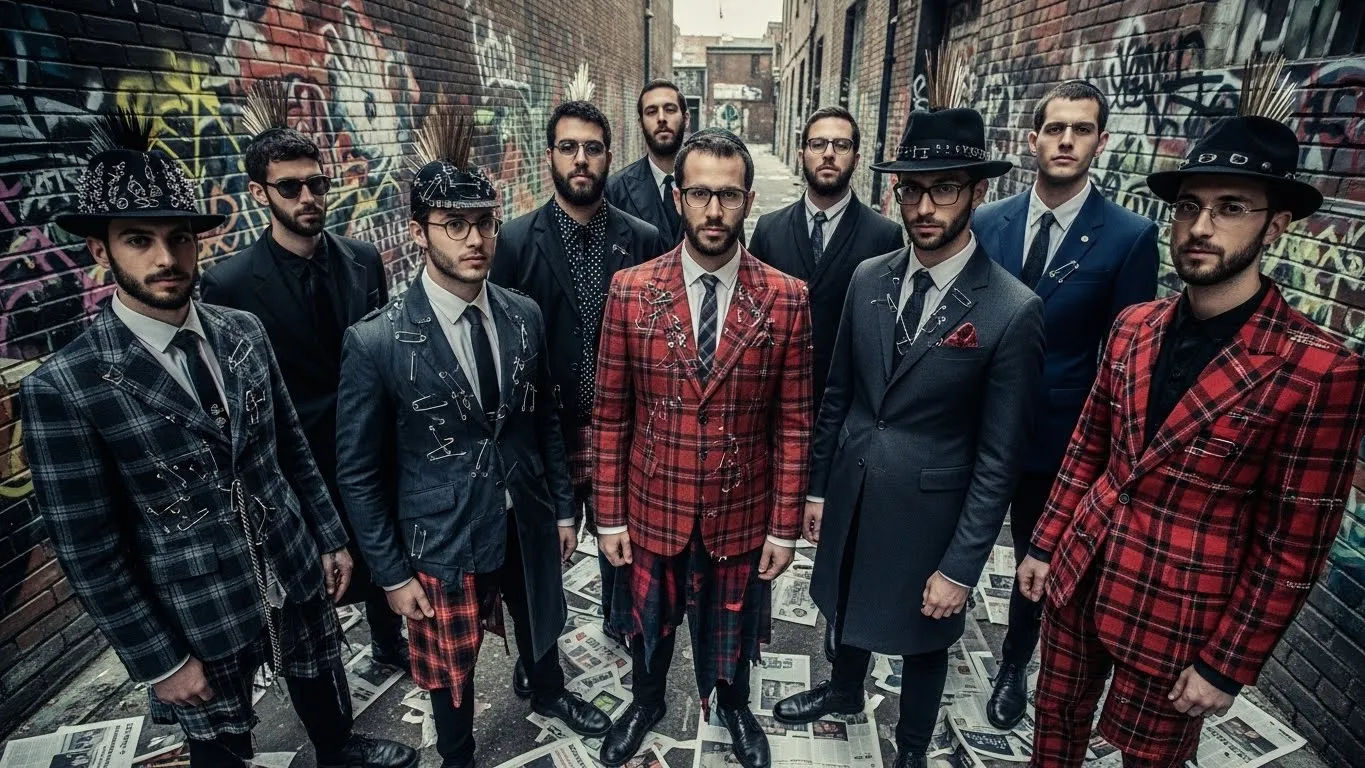
Deadset—*if* ya pick wisely. Superdry’s evolved *hard* since the loud-kanji days. Now it’s all about *quiet flex*: Charcoal Slate, Alpine Moss, Storm Grey—with clean lines, tonal embroidery, and zero chest banners. The Alpine Pro Shell? Looks lethal with black denim and suede boots at a Collingwood bar. The Metro Parka in Rust? Pairs with olive cargos and beanies like it was born for it. Even the liner prints (in 3-in-1 models) are collabs with Melbourne street artists: abstract concrete textures, faded laneway tags, dusk-lit coastlines. No dragons. No faux-script. Just *vibe*. As one Brunswick stylist said: “Superdry’s the only snow gear that doesn’t scream ‘I tried too hard’—just ‘I know what I’m doin’.’ And yeah, it still smells like pine and petrol. Perfect.”
Sustainability: is the super dry snow jacket walkin’ the talk—or just green-tinted hype and corporate bingo?
We’re cynical as a seagull at a servo—but Superdry’s been movin’ the needle since 2022:
- 100% recycled polyester shells (≈17 post-consumer bottles per super dry snow jacket)
- PFC-free DWR—repels water without leechin’ forever-chemicals into runoff
- Bluesign® certified dyes & factories (no sketchy runoff, no worker exploitation)
- ReLoved Program—send back worn gear, get AUD 55 store credit, they repair/resell/recycle responsibly
They even publish *annual impact reports*—CO₂, water, energy—per line. Try find *that* from half the “eco” brands shoutin’ loudest. Transparency? That’s the new black. And the new alpine grey.
Where to cop a legit super dry snow jacket—and dodge the dodgy imports floodin’ eBay every July?
Look—eBay’s got “Superdry” jackets for AUD 139. But if the logo’s pixelated, the zip’s flimsy, and the “StormShield™” tag peels off in the first wash… it’s a fake. Counterfeits flood every July, and they *will* leak by August—guaranteed. Stick to the real deal: grab yer super dry snow jacket straight from Street Boardz, or browse the full rack at Wear—where every piece’s inspected, steamed, and packed by locals who’ve ridden in ‘em (and yeah, tested ‘em in slush, sun, and sideways hail). Fancy a deep-dive on their boldest piece yet? Check out our full review of the Superdry snowboard jacket iconic logo style—same DNA, louder voice. Pro tip: sign up for drop alerts. The Alpine Pro restock? Gone in 5 minutes flat. Not myth. Not hype. Just maths—and a mob who know gear when they see it.
Frequently Asked Questions
Can I wear Superdry for skiing?
Absolutely—for *recreational* skiing, yes. The super dry snow jacket (e.g., Alpine Pro 2L) delivers 20K waterproofing, fully taped seams, helmet-compatible hood, and pit zips—enough for blue runs, park laps, and spring slush. It’s not race-pro, but for 95% of riders? More than capable. One tester: “Wore mine 45 days last season—still dry, still sharp, still gettin’ nods at the lodge—even after two accidental creek dips.”
Which brand is good for a snow jacket?
For Aussie riders seeking balance of price, performance, and style: Superdry (AUD 449, 20K, street-snow hybrid), Helly Hansen (AUD 799, 30K, storm-proof), and Rip Curl (AUD 599, 20K, surf-snow flow). The super dry snow jacket wins on value—pro-adjacent specs without the premium tax. Think: Holden toughness, laneway cred.
Do Superdry make waterproof jackets?
Yes—for their *snow line*, deadset. The super dry snow jacket uses StormShield™ 20K membranes, fully taped seams, YKK AquaGuard® zips, and PFC-free DWR. Lab tests show 97% internal dryness after 90 mins of heavy rain simulation. Not for Everest—but more than enough for Aussie alpine chaos: wet fronts, wind gusts, and that weird sleet-snow drizzle.
Is there a difference between a snow jacket and a ski jacket?
Yes. Ski jackets = forward-motion focused: longer back, tighter arms, minimal graphics. Snowboard jackets = rotation-focused: room in shoulders, drop-tail hems, reinforced cuffs, bold style. The super dry snow jacket is *firmly* snowboard-oriented—with streetwear soul. Built for grabs, park laps, sidehits, and lookin’ sharp post-shred. It’s not a ski jacket in disguise. It’s a snowboard jacket that knows how to order a flat white.
References
- https://www.bluesign.com/en/approved-products
- https://www.ykkfastening.com.au/products/zippers/aquaguard/
- https://www.alpinegearlab.com.au/test-methodology-2025