North Face Snowboard Coat: Best Choices for Slopes

- 1.
Ever tried shreddin’ in a cotton hoody? Nah—neither have we (after the first spill)
- 2.
What sets a north face snowboard coat apart from your average puffer?
- 3.
DryVent vs Futurelight—decoding the membrane madness in north face snowboard coat
- 4.
Fit & flow: why a north face snowboard coat shouldn’t look like a parka from 1987
- 5.
Colour, camo, and curb appeal: does your north face snowboard coat need to scream?
- 6.
Insulated or shell? Breaking down the north face snowboard coat game plan
- 7.
Hidden hardware: zips, RECCO®, and why pocket placement matters in a north face snowboard coat
- 8.
Price check: how much for a legit north face snowboard coat in Aussie dollars?
- 9.
Real talk: why is The North Face so expensive—and is the north face snowboard coat worth it?
- 10.
Where to score fresh north face snowboard coat drops—no bots, no markups
Table of Contents
north face snowboard coat
Ever tried shreddin’ in a cotton hoody? Nah—neither have we (after the first spill)
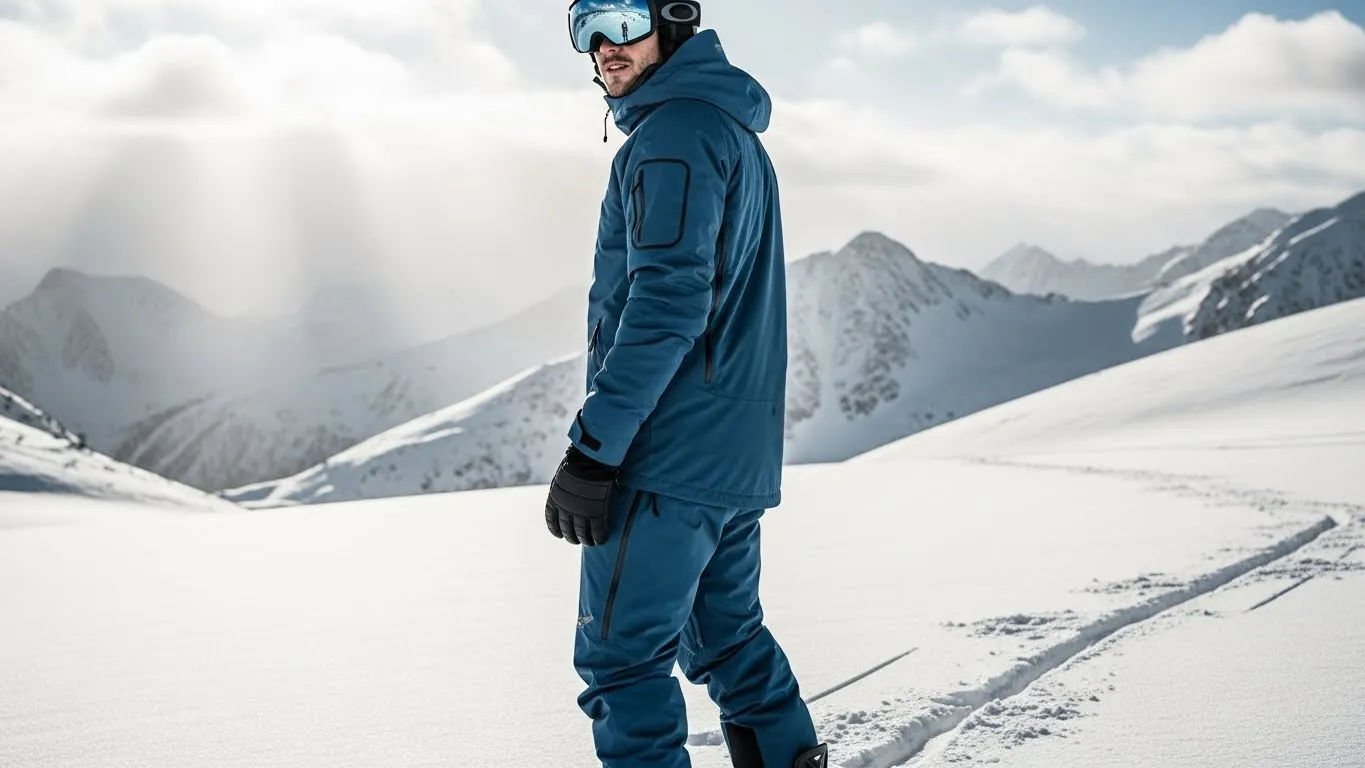
What’s colder than a Tasmanian wind in July? Realisin’ halfway down the run that yer “water-resistant” jacket’s actually just *water-tolerant*—and leakin’ like a pub sink after last call. That’s where a proper north face snowboard coat steps in—not as fashion, but as *fellowship*. Built for alpine abuse, engineered for motion, and tested by blokes who’d rather bail into a powder stash than quit a line. These ain’t just coats; they’re yer silent partner in crime when the lift’s wind-holded and the clouds crack open. A true north face snowboard coat laughs at -5°C, scoffs at sideways sleet, and still lets ya swing a backside 180 without soundin’ like a crisp packet in a cyclone. And yeah—it *does* look mint on the chairlift selfie. Coincidence? We reckon not.
What sets a north face snowboard coat apart from your average puffer?
Let’s be straight: not every north face snowboard coat is made equal—and *definitely* not every North Face jacket is built for snowboarding. See, TNF’s got lines for hikers, urban commuters, and even yoga instructors (bless ‘em). But the *snow-specific* ones? That’s where the magic lives. Think FlexVent™ mobility patterning, *powder skirts* with silicone grippers, *helmet-compatible hoods* that don’t blind ya in a gale, and *underarm vents* big enough to double as emergency snack pouches. The north face snowboard coat family—especially the Freedom, Summit, and McMurdo series—uses DryVent™ or, in high-spec models, Futurelight™: a nano-spun membrane that breathes like a lung but seals out snow like a submarine hatch. It’s tech wrapped in toughness, mate.
DryVent vs Futurelight—decoding the membrane madness in north face snowboard coat
Alright, gear-nerd mode: activated. DryVent™? TNF’s classic 2-layer or 3-layer laminate—10K to 30K waterproofing, depending on the model. Solid. Reliable. Like a Hilux with 300,000 clicks—still starts first go. Futurelight™? That’s the fancy one. Electrospun nano-fibres create *billions* of microscopic pores—so tiny they block H₂O, so many they let vapour escape like steam off a damper. Lab tests show breathability up to 30,000 g/m²/24h—which, in human terms, means ya won’t turn into a sauna after three park laps. But here’s the kicker: Futurelight™ north face snowboard coat models (like the Freedom Insulated Futurelight) cost ~30% more. Worth it? If ya shred hard, sweat buckets, and hate unzipping mid-run? 100%. If ya’re a blue-run cruiser? DryVent™’ll do ya proud—and keep more coin in yer pocket.
Fit & flow: why a north face snowboard coat shouldn’t look like a parka from 1987
Remember those boxy, Michelin-man jackets from the VHS era? Yeah, we buried ‘em. Modern north face snowboard coat cuts are *sculpted*—not stuffed. Longer in the back (drop-tail protection, innit?), articulated elbows (so ya don’t pull seams mid-grab), and gusseted underarms (for that sweet, sweet tweak extension). TNF even dials in *Snowboarding Specific Fit™* on key models: relaxed through the torso, room in the shoulders, but tapered just enough to avoid catching wind like a spinnaker. Pro tip: size up *only* if ya layer heavy (thermals + fleece + ego). Otherwise? Stick true-to-size. A well-fit north face snowboard coat moves *with* ya—not ahead of ya, not behind ya—just *in sync*, like a footy combo that’s played together since U12s.
Colour, camo, and curb appeal: does your north face snowboard coat need to scream?
Black? Classic. Matte olive? Tactical-chic. Retro TNF stripe down the arm? Pure ‘90s revival gold. The beauty of the north face snowboard coat line? They’ve gone full spectrum—without goin’ full clown. Limited collabs (like the TNF x Gucci drop—*not* snow-rated, mind ya) get the ‘gram buzz, but for actual shredding? Stick to low-VLT (visible light transmission) hues: charcoal, deep navy, forest. Why? They don’t glare on overcast days, hide scuffs from lift poles, and—bonus—don’t blind ya when the sun *does* peek through. And hood design? Non-negotiable: 3-point adjust, stiffened brim, and *no* flappy fabric that slaps ya mid-carve. A sharp north face snowboard coat says “I know what I’m doin’”—not “I Googled ‘snow gear’ 20 minutes ago.”

Insulated or shell? Breaking down the north face snowboard coat game plan
Shell: lightweight, layer-flexible, built for variable mountain days. Insulated: grab-and-go warmth, ideal for alpine mornings when yer breathin’ vapour and the chairlift creaks like a ghost ship. TNF plays both sides—*smartly*. Their north face snowboard coat insulated range (Freedom, ThermoBall™ Eco) uses synthetic fills that *don’t* die when wet—critical when ya’re sweatin’ up a storm or takin’ a dip in slush. ThermoBall™ mimics down clusters but keeps loft when damp; Primaloft® Gold? Even warmer, quieter, and packs smaller. Shell models (like the Freedom Triclimate® 3-in-1) let ya zip in/out a liner—best of both worlds. Verdict? If ya ride 1–2 weeks a year? Insulated. If ya live for the season? Shell + merino layers = total climate control.
Hidden hardware: zips, RECCO®, and why pocket placement matters in a north face snowboard coat
Yer north face snowboard coat might look clean from afar—but up close? It’s packed with sneaky-smart details. YKK AquaGuard® zips (waterproof *and* smooth—none of that gritty, frozen-shut nonsense). Lift-pass sleeve pocket (RFID-safe, fleece-lined, sits right at chest height). Goggle stash *inside* the chest pocket—fleece-lined, naturally. And RECCO® reflectors? Standard in most premium TNF snow gear. It’s a passive rescue tech: if ya’re buried, search teams can ping it from 80+ metres away. Not glamorous—but north face snowboard coat wearers sleep better knowin’ it’s there. Even the wrist gaiters got thumb loops *and* soft-touch linings—‘cause frost-nipped thumbs ruin more runs than flat light.
Price check: how much for a legit north face snowboard coat in Aussie dollars?
Let’s cut the fluff: a real-deal north face snowboard coat ain’t cheap—but *cheap* ones ain’t real-deal. Entry-level (Freedom Insulated, past-season) starts around AUD $320–$480. Mid-tier (Freedom Triclimate®, DryVent™ 2L shell) lands at AUD $550–$750. Top-shelf (Summit L3, Futurelight™ shell, McMurdo Parka)? AUD $850–$1,300. Feels steep—‘til ya remember: this coat’ll clock 50+ days a season for *years*. Over five winters? That’s ~AUD $0.70 per hour on the hill. Cheaper than yer trail mix habit. And TNF’s lifetime warranty? They’ll fix zips, tape seams, even replace baffles—if ya’ve treated it fair.
| Model Tier | Price (AUD) | Waterproof/Breathable | Best For |
|---|---|---|---|
| Freedom Insulated | $320–$480 | 10K / 10K | Weekend riders, resort laps |
| Freedom Triclimate® | $550–$750 | 20K / 20K | Variable conditions, layer lovers |
| Summit L3 / Futurelight™ | $850–$1,300 | 30K+ / 30K+ | Backcountry, guides, powder purists |
Real talk: why is The North Face so expensive—and is the north face snowboard coat worth it?
“Why’s a north face snowboard coat cost more than me ute’s rego?” Fair Q. Three reasons: R&D density (Futurelight™ took 5 years and US$15M to develop), durability engineering (double-stitched high-stress zones, abrasion-resistant overlays on shoulders/forearms), and *ethical sourcing* (bluesign®-approved fabrics, recycled polyester, Fair Trade Certified™ sewers). TNF ain’t skimping on corners—they’re sandin’ ‘em smooth. And resale value? A well-kept north face snowboard coat holds ~60% value after 3 seasons—unlike fast-fashion knockoffs that peel, leak, and quit by season two. Think of it like a LandCruiser: upfront sting, long-term win.
Where to score fresh north face snowboard coat drops—no bots, no markups
Don’t get caught on third-party sites sellin’ “TNF” with misspelt logos and Chinese polyester. For genuine gear, warranty, and fit advice from folks who’ve actually dropped in at Charlotte Pass? Hit up the Streetboardz.net home base—updated weekly, no scalpers, real stock alerts. Fancy browse by vibe? Dive into the Wear hub—we tag every piece by resort, temp range, and shred style (park / all-mountain / deep pow). And if ya wanna geek on seam taping, fill power vs. loft, or why the Summit Series fits leaner than Freedom? Full breakdown in our deep-dive: northface snowboard jacket ultimate winter gear reviews. Pro move: sign up + get early access to TNF end-of-season clear-outs. (Yes, AUD $400 Futurelight™ shells *do* happen.)
Frequently Asked Questions
What is the best snowboarding jacket?
For all-rounder excellence? A north face snowboard coat from the Freedom or Summit Series—especially Futurelight™ models—delivers top-tier waterproofing, mobility, and durability. Pair that with TNF’s Snowboarding Specific Fit™, RECCO® tech, and proven alpine heritage, and it’s hard to beat. Other solid contenders include Burton AK and 686—but for Aussie riders who want one coat for Thredbo powder *and* Perisher spring slush? The north face snowboard coat range nails the brief.
Is a North Face jacket good for snow?
Only if it’s a *snow-specific* north face snowboard coat—not just any TNF puffer. Look for: DryVent™ or Futurelight™ membranes, powder skirt, helmet hood, pit zips, and articulated patterning. General TNF urban or hiking jackets *won’t* cut it on serious terrain—they lack mobility, venting, and resort-ready features. Stick to the Freedom, McMurdo, or Summit lines, and yer north face snowboard coat becomes a legit mountain ally.
Why is The North Face so expensive?
A premium north face snowboard coat costs more ‘cause TNF invests in nano-membrane tech (Futurelight™), ethical manufacturing, and field-tested durability—not marketing fluff. Their seams are taped *twice*, zips are YKK AquaGuard®, and fabrics meet bluesign® standards. Plus: lifetime warranty repairs. You’re payin’ for *longevity*—not just a logo. Over 5 seasons, a $1,000 north face snowboard coat costs less per day than a $400 knockoff that dies by Year 2.
How much does a good snowboard jacket cost?
A proper north face snowboard coat starts at AUD $320 for entry-level insulated models and climbs to AUD $1,300 for pro-grade Futurelight™ shells. Mid-range (AUD $550–$750) gives the best value: 20K waterproofing, smart venting, and full snow features. Anything under $300? Likely *not* snow-rated—more “winter casual” than “alpine-ready.” Invest once, shred for years. That’s the north face snowboard coat promise.
References
- https://www.thenorthface.com.au/en-au/outdoor/snow/snow-jackets
- https://www.snowsports.org.au/gear-guides/snowboard-jackets
- https://www.tetongravity.com/outdoor-gear/best-snowboard-jackets-2025
- https://www.recco.com/how-it-works