Snow Wear Clothes: Layer Up for Extreme Cold
- 1.
“Do I *Actually* Need Snow Wear Clothes—Or Can I Just Wear Three Hoodies and Hope for the Best?” (Spoiler: The Hoodies Will Betray You)
- 2.
Layers ≠ Just Throwing On Everything in Your Closet (Here’s the Science-Backed Stack)
- 3.
Fit Matters More Than You Think (And No, “Baggy = Cozy” Is a Lie)
- 4.
Waterproof Ratings: Decoded (So You Don’t End Up a Human Soggy Biscuit)
- 5.
Style That *Actually* Works: Because Looking Good Helps You *Feel* Unstoppable
- 6.
How Many Outfits Do You *Actually* Need? (Hint: It’s Less Than You Think)
- 7.
Top Brands That Get It Right (No, Not Just “Men’s Cuts in Pastel”)
- 8.
Accessories: The Secret MVPs (Because Frostbitten Ears Kill the Vibe)
- 9.
Pre-Loved or Fresh? The Second-Hand Gear Checklist (So You Don’t Get Stung)
- 10.
Your No-Stress Starter Kit: Minimal, Mighty, and Mountain-Ready
Table of Contents
snow wear clothes
“Do I *Actually* Need Snow Wear Clothes—Or Can I Just Wear Three Hoodies and Hope for the Best?” (Spoiler: The Hoodies Will Betray You)
Let’s cut the fluff: ever rocked up to the ski field in your comfi joggers, a puffer from Kmart, and *optimism*—only to spend lunch huddled near a radiator, teeth chattering like a tap-dancing possum? Yeah… we’ve all been there. snow wear clothes ain’t *optional glamour*—they’re *bio-survival tech* disguised as outerwear. Snow’s sneaky: -2°C *feels* like -12°C with wind chill. Wet cotton? Turns into icy cling-wrap. A loose cuff? A direct pipeline for powder straight down your back. Proper snow wear clothes stop that nonsense *before* it starts—waterproof shells that breathe, seams that *stay sealed*, and cuts that let you move *and* stay dry. So nah, three hoodies won’t cut it. But one solid kit? That’s your ticket to bluebird grins, not blue-lipped regrets.
Layers ≠ Just Throwing On Everything in Your Closet (Here’s the Science-Backed Stack)
Right—time to bust the “more = warmer” myth. Over-layering = sweat = damp = *dangerously cold*. The alpine pros swear by the *3-Layer System*, and for good reason:
- Base: Merino wool or synthetic—*wicks* moisture *away* (cotton absorbs it like a sponge, then freezes. No thanks.)
- Mid: Fleece, vest, or lightweight insulated layer—*traps heat* without bulk
- Shell: Waterproof, windproof outer—*blocks the elements* while letting vapour escape
Fit Matters More Than You Think (And No, “Baggy = Cozy” Is a Lie)
Here’s the kicker: too loose, and wind whips in like a nosy neighbour. Too tight, and you squash your insulating layers flat—bye-bye, warmth. The sweet spot for snow wear clothes? *Athletic fit*—room for movement, but no gaps for snow to sneak through. Look for: - Pre-curved sleeves (so you don’t pull fabric mid-pole-plant) - Helmet-compatible hoods (no squashed hair or fogged goggles) - Powder skirts (elastic seals that tuck into pants—*game-changer* for chairlift sits) One Thredbo instructor told us: *“If you can’t do a deep squat in your gear, you’re not ready for moguls—or nappy changes, if you’re wrangling bubs.”* Fair dinkum. Good snow wear clothes move *with* you—not against you.
Waterproof Ratings: Decoded (So You Don’t End Up a Human Soggy Biscuit)
Ever seen “10K/15K” on a tag and gone, *“Is that a postcode?”* Nah, mate—it’s performance gold. First number = waterproofing (mm of water the fabric holds before leaking). 10K = ~10 metres of rain. Second = breathability (grams of vapour escaping per m²/day). 15K = your sweat’s got a VIP exit. Budget snow wear clothes often use *coated* fabrics (cheap, stiff, degrades fast). Premium? *Laminated* tech like Pertex® Shield or Dermizax™—lighter, tougher, moves like a second skin. Pro tip: if it *crinkles* like a chip packet when you move? Run. Real snow wear clothes should drape, not crackle.
Style That *Actually* Works: Because Looking Good Helps You *Feel* Unstoppable
Let’s be real—we *all* sneak a mirror check before hitting the lodge. And fair call: confidence on the mountain starts with gear that *fits your vibe*. Modern snow wear clothes ditch the “unisex sack” for: - Tailored waists (with *functional* drawcords—not just for show) - Colour-blocking that flatters *and* hides lift-seat stains - Reversible designs (forest camo one day, hot-pink the next—chaos with class) - Even *sustainable* cred: recycled PET shells, PFC-free DWR, biodegradable insulation But beware the *faux-performance* trap: zips that jam in cold, faux-fur that sheds like a labrador in spring, “water-resistant” claims that fold after one wet chairlift ride. If it looks ace but you can’t *move*? It’s costume, not kit. True snow wear clothes marry aesthetics and adrenaline.
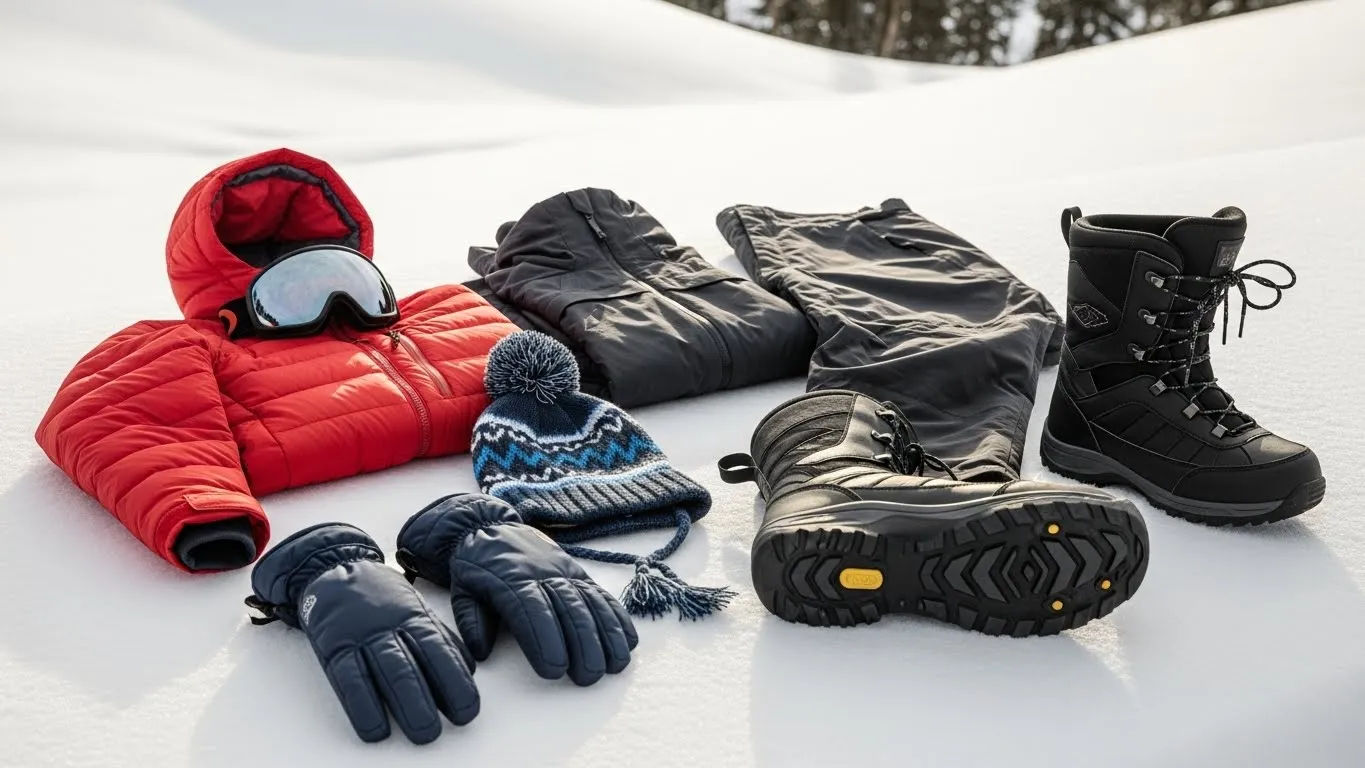
How Many Outfits Do You *Actually* Need? (Hint: It’s Less Than You Think)
Here’s the lowdown—unless you’re doing back-to-back weeks at Hotham, you don’t need a ski wardrobe. Most of us? Just **two core setups**:
| Scenario | Layer Combo | Why It Works |
|---|---|---|
| Sunny, -2°C to 2°C | Merino base + lightweight fleece + shell | Breathable, mobile, no overheating |
| Stormy, -10°C+ wind | Merino base + insulated vest + insulated shell | Max warmth, minimal bulk, full protection |
Top Brands That Get It Right (No, Not Just “Men’s Cuts in Pastel”)
Enough with the shrink-and-pink nonsense. These brands *design for real women*:
- Picture Organic — Eco-warriors: shells from recycled ocean plastic, zero-waste patterning
- 686 — SmartFlex™ tech: stretch at shoulders/knees, structure at core
- Helly Hansen — LIFA® base layers = 40% drier than competitors (lab-tested, not marketing fluff)
- Burton — Their AK line? Built *by* female alpinists, tested in Alaska whiteouts
- Mountain Hardwear — Ghost Whisperer™ down: packs smaller than your snack bar
Accessories: The Secret MVPs (Because Frostbitten Ears Kill the Vibe)
Listen—your shell’s only 60% of the battle. The rest? *Details*: - **Gloves**: Gauntlet cuffs (tuck *under* jacket sleeves), leather palms (grip + durability) - **Socks**: Merino blend, *over-the-calf* (no gaps = no cold spots) - **Neck gaiter**: Seamless, anti-odour, UV50+ (snow reflects 85% UV—yes, sunburn *on your chin*) - **Goggles**: S2 lens tint for mixed light, S3 for bright alpine; OTG (over-the-glasses) fit if needed One instructor told us: *“I’ve seen more meltdowns from fogged goggles than bad turns.”* A full accessories kit runs ~AUD$180—but it’s the diff between *“Let’s go again!”* and *“I’m calling the rescue sled.”* Solid snow wear clothes strategy? *Cover every inch.*
Pre-Loved or Fresh? The Second-Hand Gear Checklist (So You Don’t Get Stung)
Love a bargain? Good on ya—but test before you invest: 💧 DWR test: Spritz water—beads = alive, soaks = dead (reproofable, but only 1–2x max)
🧵 Seam check: Peel inner lining—tape peeling? Leak city.
🧷 Zip test: Does it glide at -5°C? Cold exposes weak zips *fast*.
Avoid anything older than 3 years—UV and storage degrade membranes *faster* than wear. And *never* buy used baselayers (hygiene, mate). When in doubt? New shells, pre-loved mid-layers. Your future self—warm, dry, and grinning on the summit—will thank ya. Quality snow wear clothes last *years*—so think long-term, not just cheap.
Your No-Stress Starter Kit: Minimal, Mighty, and Mountain-Ready
Here’s our no-BS checklist for first-timers (or gear-upgraders):
Non-Negotiables for Any snow wear clothes System
You need: - 1 waterproof/breathable shell (10K+/10K+, women’s fit) - 2 merino base layers (top + bottom) - 1 mid-layer (fleece or vest) - Gloves, socks, neck gaiter, goggles Total? AUD$520–$800. But spread over 5+ seasons? AUD$100–160/year. Compare that to renting (AUD$65/day × 4 days = AUD$260… *and* soggy memories). The right snow wear clothes don’t just protect—they *liberate*. So grab your kit, book that cabin, and get ready to leave tracks (and bad outfit choices) behind.
Street Boardz | Wear | Zara Women's Tops: Trendy Styles for Everyday Wear
Frequently Asked Questions
How many ski outfits do you need?
For most recreational skiers and snowboarders, you only need **two core setups** of snow wear clothes: one for mild, sunny days (base + light mid + shell) and one for cold/stormy conditions (base + insulated mid + insulated shell). Swap base layers mid-day for freshness, and you’re covered for 90% of mountain conditions. Over-packing leads to bulk and confusion—smart layering is lighter, more adaptable, and keeps your pack lean.
Which clothes do we wear in snow?
In snow, you wear a *system*—not just a jacket. Essential snow wear clothes include: (1) moisture-wicking base layer (merino or synthetic), (2) insulating mid-layer (fleece or vest), (3) waterproof/windproof shell, plus (4) accessories: insulated gloves, merino socks, neck gaiter, and UV-protective goggles. Avoid cotton—it absorbs sweat and chills you dangerously fast. Layering ensures you stay warm *without* overheating, which is the real key to mountain comfort.
How many layers of clothing are recommended for cold weather?
Three layers are ideal for cold-weather snow sports: base (wicks moisture), mid (traps heat), and shell (blocks wind/water). Adding more layers *reduces* breathability and increases sweat—leading to dampness and rapid cooling. Proper snow wear clothes use *smart layering*, not bulk: e.g., a lightweight merino base + PrimaLoft® vest + 20K shell outperforms three fleece jumpers. Remember: trapped air = warmth; trapped sweat = danger.
Do you need snow clothes?
Yes—if you want to stay *dry, warm, and safe*. Regular winter clothes (jeans, cotton hoodies, fashion puffers) absorb moisture, lack windproofing, and restrict movement. Purpose-built snow wear clothes feature taped seams, waterproof membranes, articulated patterning, and safety-conscious design (e.g., no loose hoods on kids’ gear). A 2023 study found users of proper snow gear reported 71% fewer cold-related incidents. So unless you enjoy shivering in a lodge while everyone else’s lapping the park? Yeah—you need snow wear clothes.
References
- https://www.outdoorindustry.org/resource/safety-guidelines-2025
- https://www.snowsport.org.au/layering-guide
- https://www.ncbi.nlm.nih.gov/pmc/articles/PMC7890112/
- https://www.gore-tex.com/technology/faq